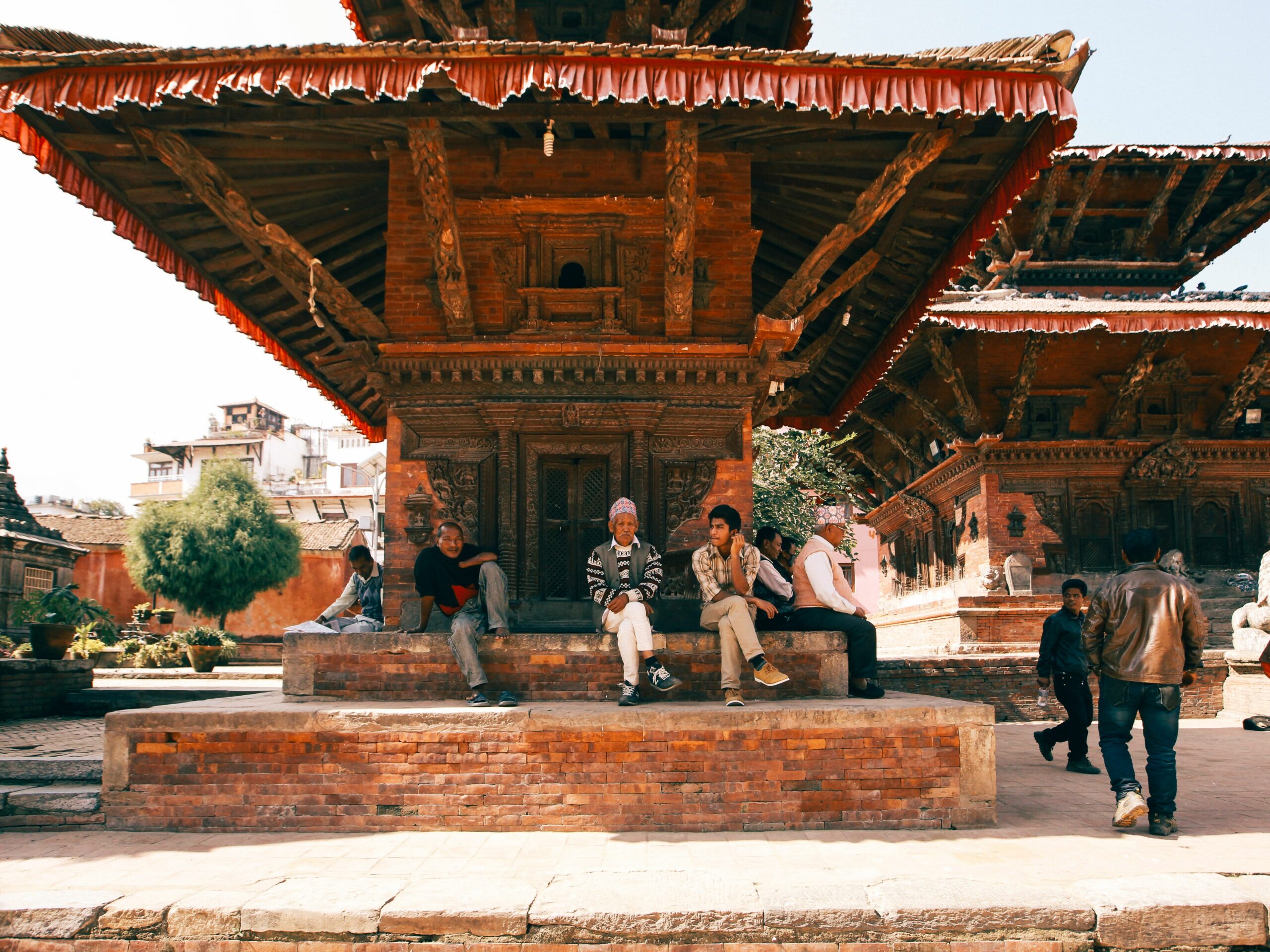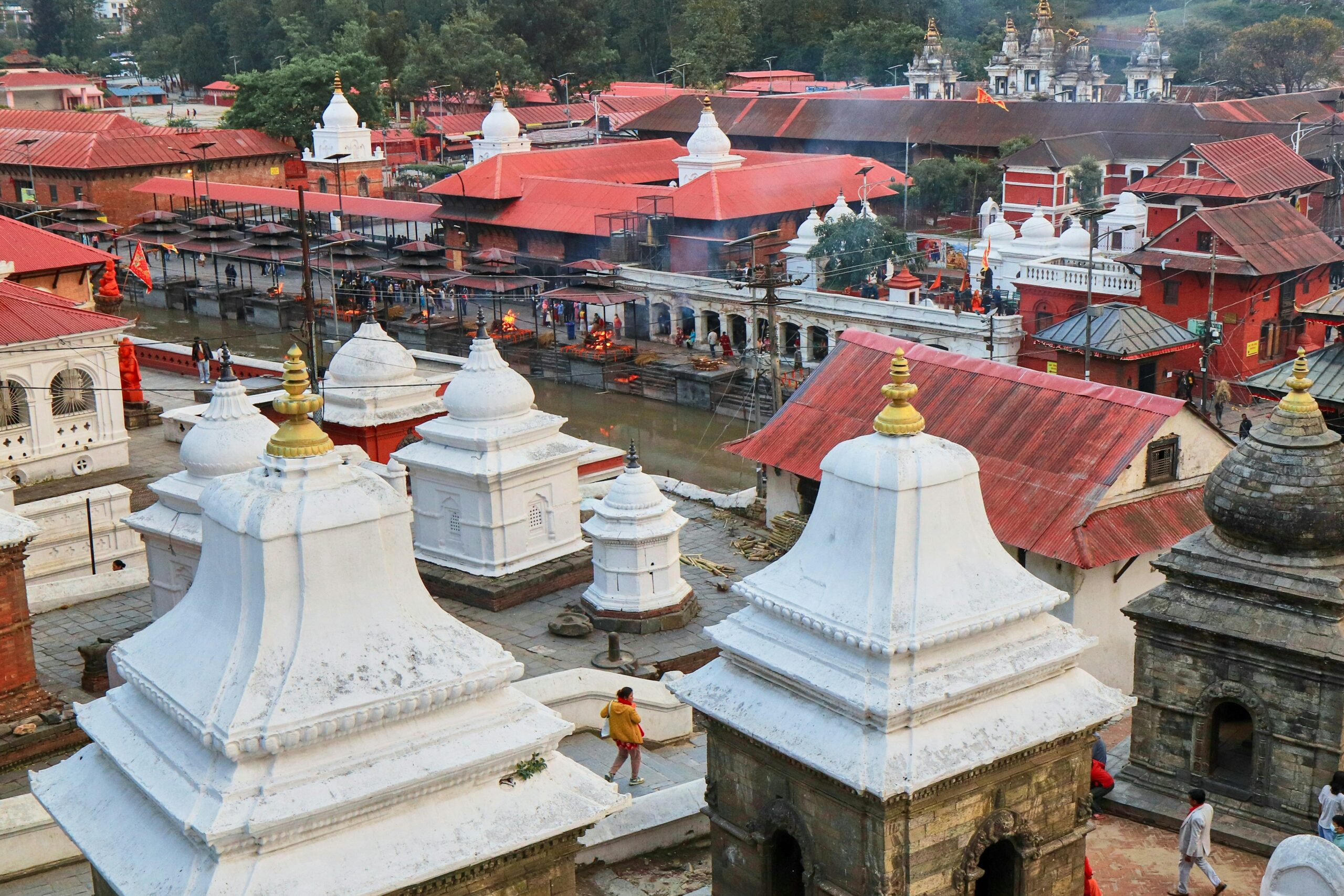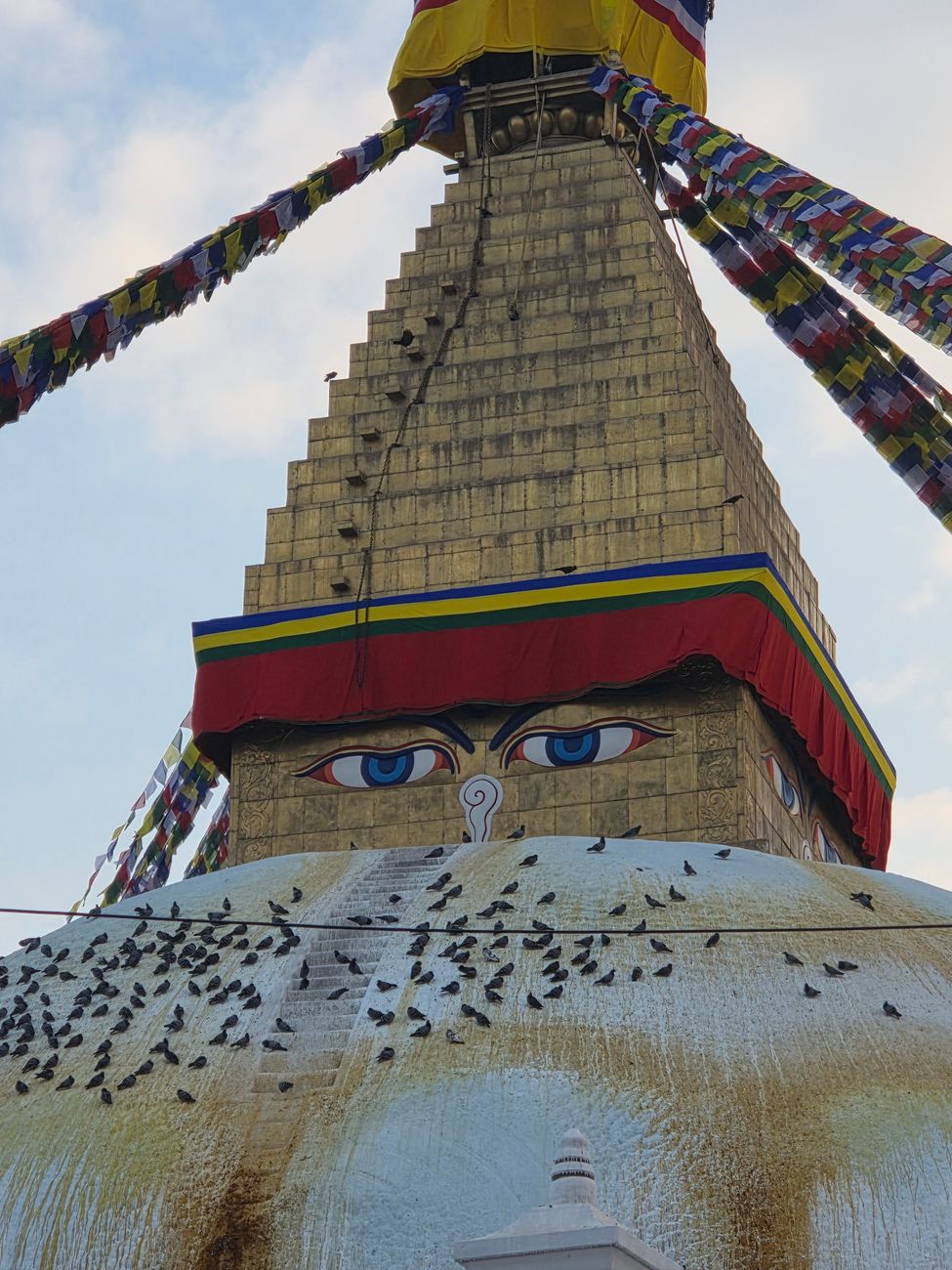
After several days exploring Kathmandu and its valley, the time comes to slow down in Nepal and experience travel differently. At Vishuddhi Alaya, the focus gradually shifts from what Nepal has to offer toward what the experience awakens within us. For a few days, visits become less frequent, the suitcases stay put, and practices gradually take over, opening up a new way of experiencing the journey.
The Time to Slow Down
The first days in Nepal are full. Kathmandu constantly draws the eye, followed by the stupas, temples, pilgrims, roads through the valley, and hills of Pharping. Each day brings new places, new faces, and traditions whose customs and codes we do not always understand.
This intensity is part of the journey. We observe, listen, and try to understand what unfolds before us, and almost naturally, our attention remains focused outward. After several days rich in discoveries, this pause opens up a different kind of time, allowing experiences to settle and our attention to gradually turn toward what we feel.
Nestled in the sacred hills of Namo Buddha, Vishuddhi Alaya provides the setting chosen for this transition. Spending several nights in one place allows us to find our bearings, become familiar with our surroundings, and gradually settle into a different sense of time.
Why Vishuddhi Alaya?
This place was chosen not only for its setting but also for the philosophy that shapes it. Built around a holistic approach to well-being, it brings together nature, food, movement, rest, and simplicity.
The project was founded by Adelheid Schneckenburger, known as Adi, an economist, specialist in Chinese studies, certified Iyengar yoga teacher, and student of Ayurveda. After living in Nepal for nearly a decade, she envisioned Vishuddhi Alaya as a space where simplicity, harmony, and a holistic approach to well-being could come together.
This philosophy is reflected even in the way the property was built. The buildings make use of rammed-earth construction techniques and were designed to blend into the surrounding hills. Energy conservation, water recycling, waste reduction, and organic farming also play a role in the site’s daily operations.
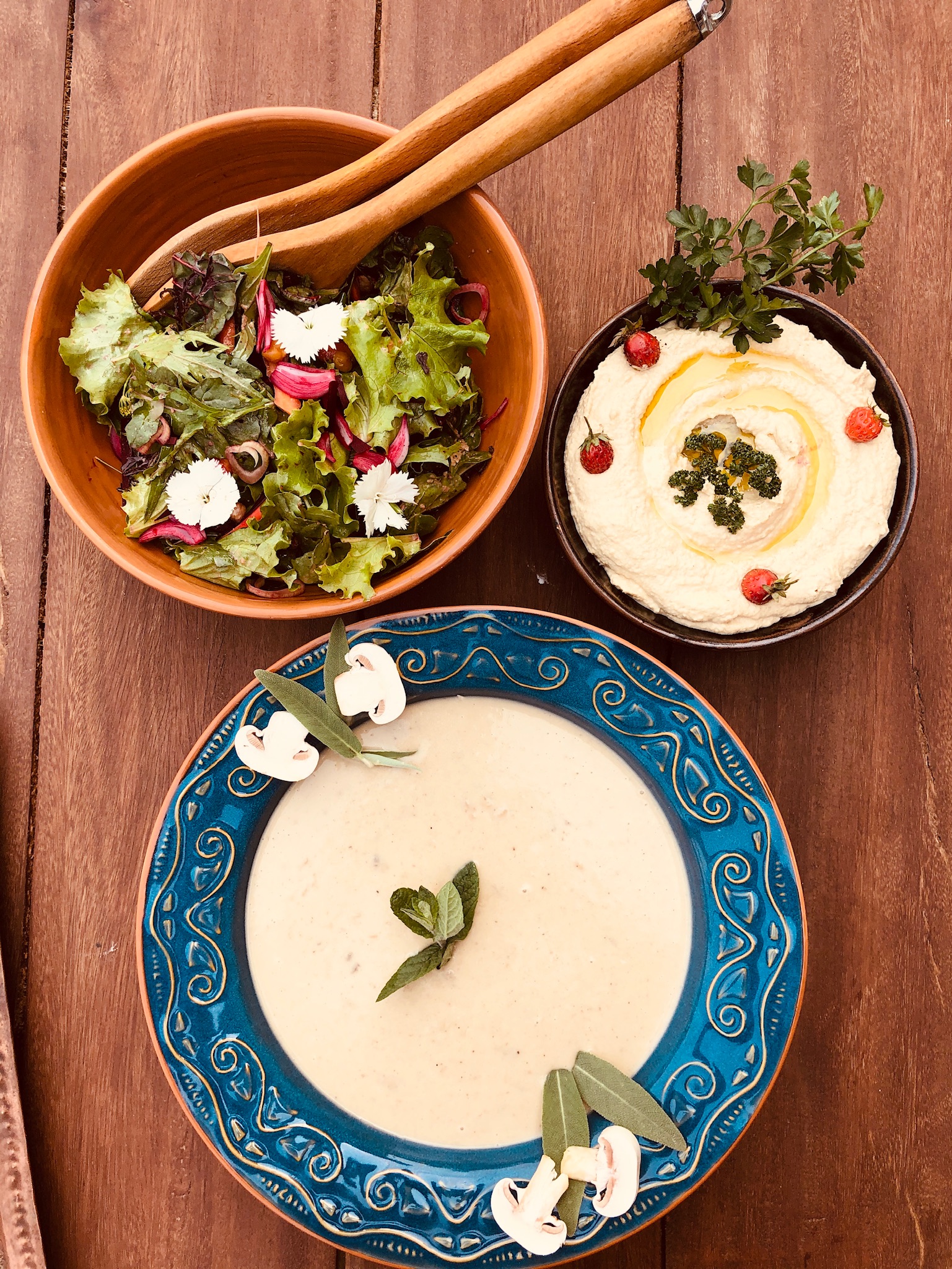
The food follows the same commitment to consistency. Meals are vegetarian and prepared with fresh, mostly organic ingredients sourced from the garden and nearby farms. Bread, cakes, and even pasta are made on-site, making the dining experience an integral part of the property’s philosophy.
Architecture, environment, cuisine, and practices all follow the same guiding principles. It is precisely this consistency that gives Vishuddhi Alaya its place in the ORION journey: for a few days, everything encourages us to slow down, find space, and direct our attention elsewhere.
Gradually Settling Into a Different Rhythm
Arrival at Vishuddhi Alaya begins gently. After a vegetarian lunch and time to settle in, there is an opportunity to explore the property before the opening circle and the first practices.
Over the following days, this approach deepens through Hatha Yoga, breathwork, meditation, Vinyasa, Yoga Nidra, and journaling. Each experience engages something different: movement and postures involve the body, breathing and meditation cultivate attention, while Yoga Nidra and writing create other opportunities for rest, observation, and reflection.
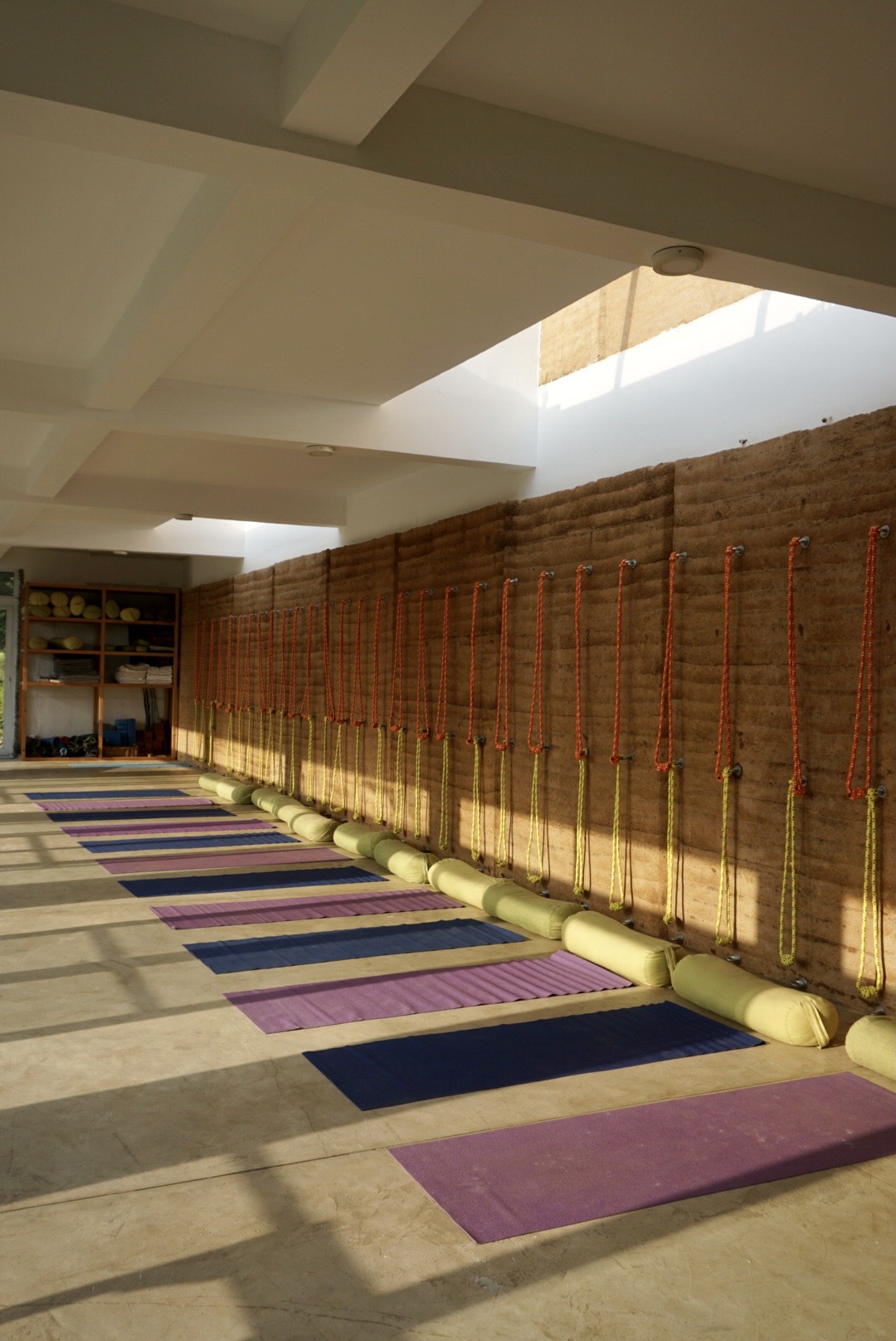
After several days largely devoted to observing and understanding what is happening around us, what we feel begins to take on greater importance. The journey continues, but our perception of it changes: the body, breath, and attention become ways of exploring what is present.
Making Space Between Practices
At Vishuddhi Alaya, practices find their place within days that deliberately leave room for freedom. A conversation that continues after a meal, a few pages read in the garden, a walk, or a moment of rest are all part of these days.
These pauses allow everyone to find their own rhythm. On a small-group journey, some moments draw their strength from being shared, while others are more meaningful when experienced personally. This alternation creates a balance between the collective experience and the time each person can give themselves.
As the days pass, yoga, breathwork, meditation, rest, and personal moments gradually form a whole. Their value lies as much in the practices themselves as in the space they create around them, when our attention becomes more available to what we feel, what we think, or simply what we observe.
When the Setting Becomes Part of the Experience
In a place like this, the surroundings naturally extend what is experienced during the practices. The intentionally simple rooms, spaces opening onto nature, the garden, meals, and spacious yoga hall have all been designed with the same commitment to simplicity and harmony.
As the days pass, the place becomes familiar. We follow the same paths, spaces take on their everyday purpose, and the constant desire to discover something new gives way to a calmer relationship with our surroundings.
The decision to spend several nights in one place then takes on its full meaning. Vishuddhi Alaya gradually stops being a destination and becomes a temporary place to live, present enough to support what is unfolding without constantly seeking to occupy the center of the experience.
Giving the Journey Time to Settle
There is what we discover in the moment, and what continues to resonate once calm returns. After several days traveling through Nepal, this time simply offers an opportunity to reflect on the places we have visited, the people we have met, and the moments that have shaped the journey.
On the final day, journaling invites everyone to put a few words to their experience before gathering one last time for the closing circle. A simple moment to step back, share whatever we wish, and bring this time together to a close.
When the time comes to leave Vishuddhi Alaya, nothing truly comes to an end. The landscapes, encounters, and rituals discovered since arriving in Nepal remain with us, but a few days of quiet have allowed us to see them differently. Perhaps that is what we ultimately take away: not an answer or a transformation to be recounted, but something more intimate, unique to each person, that will continue to unfold long after the journey resumes.