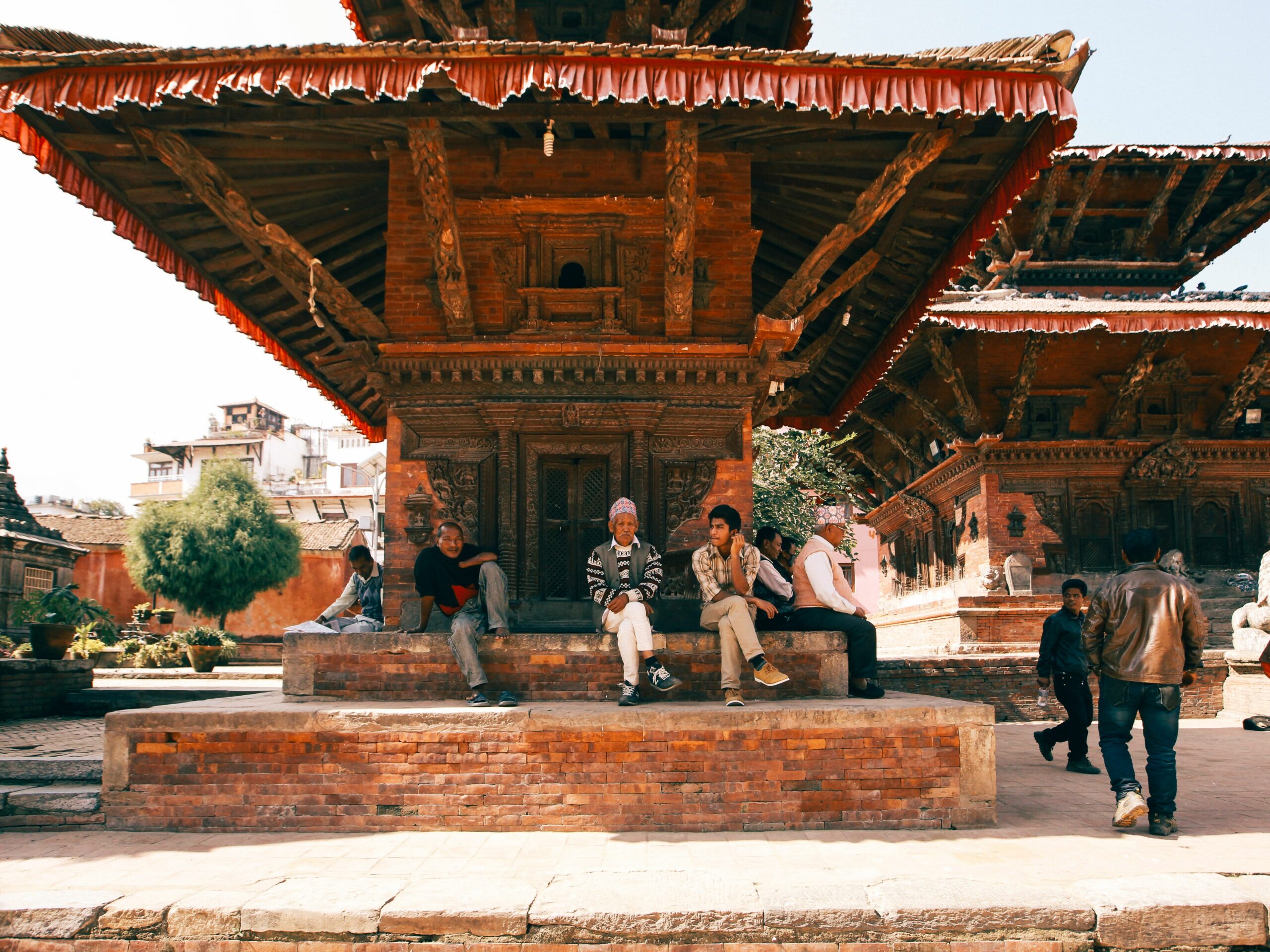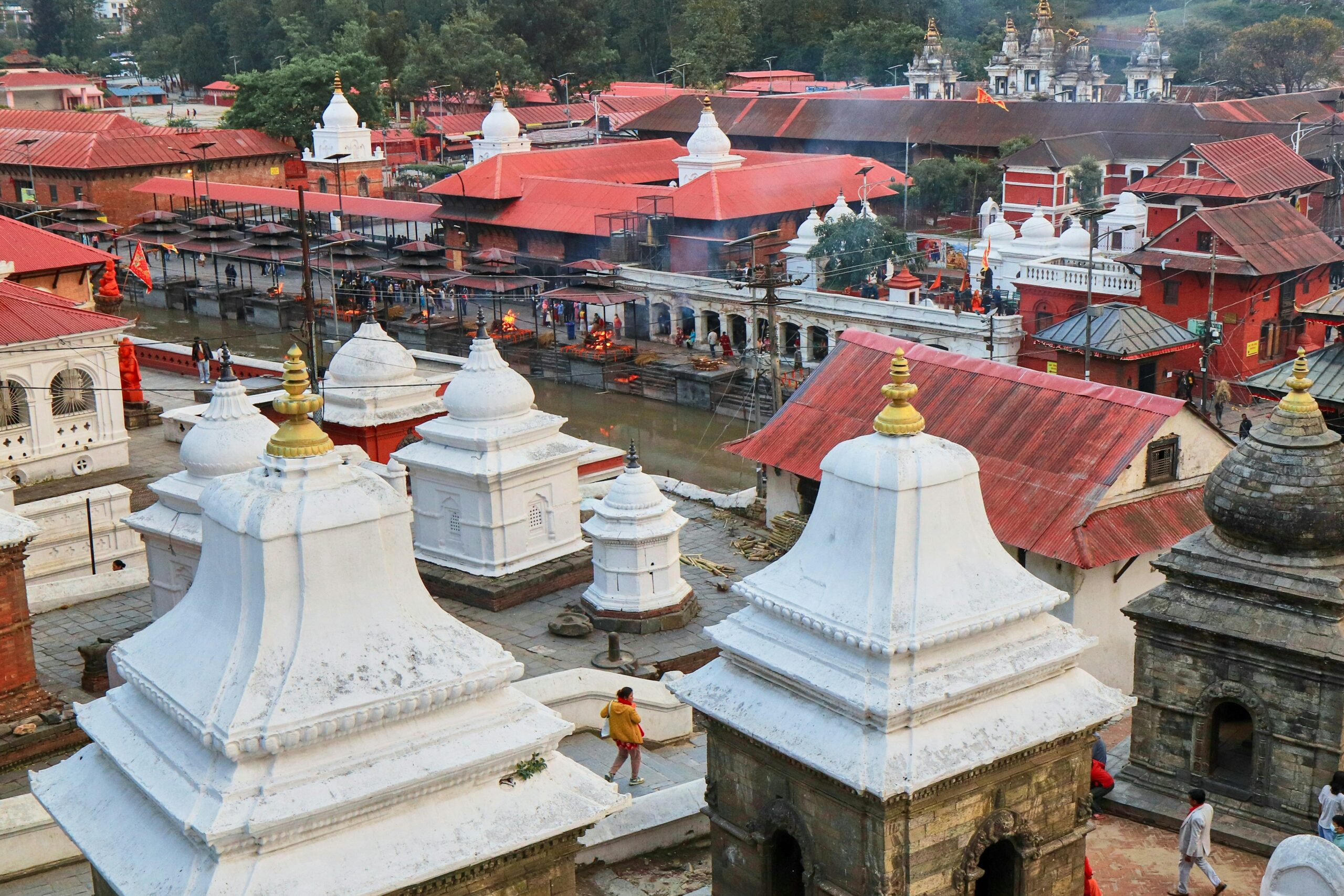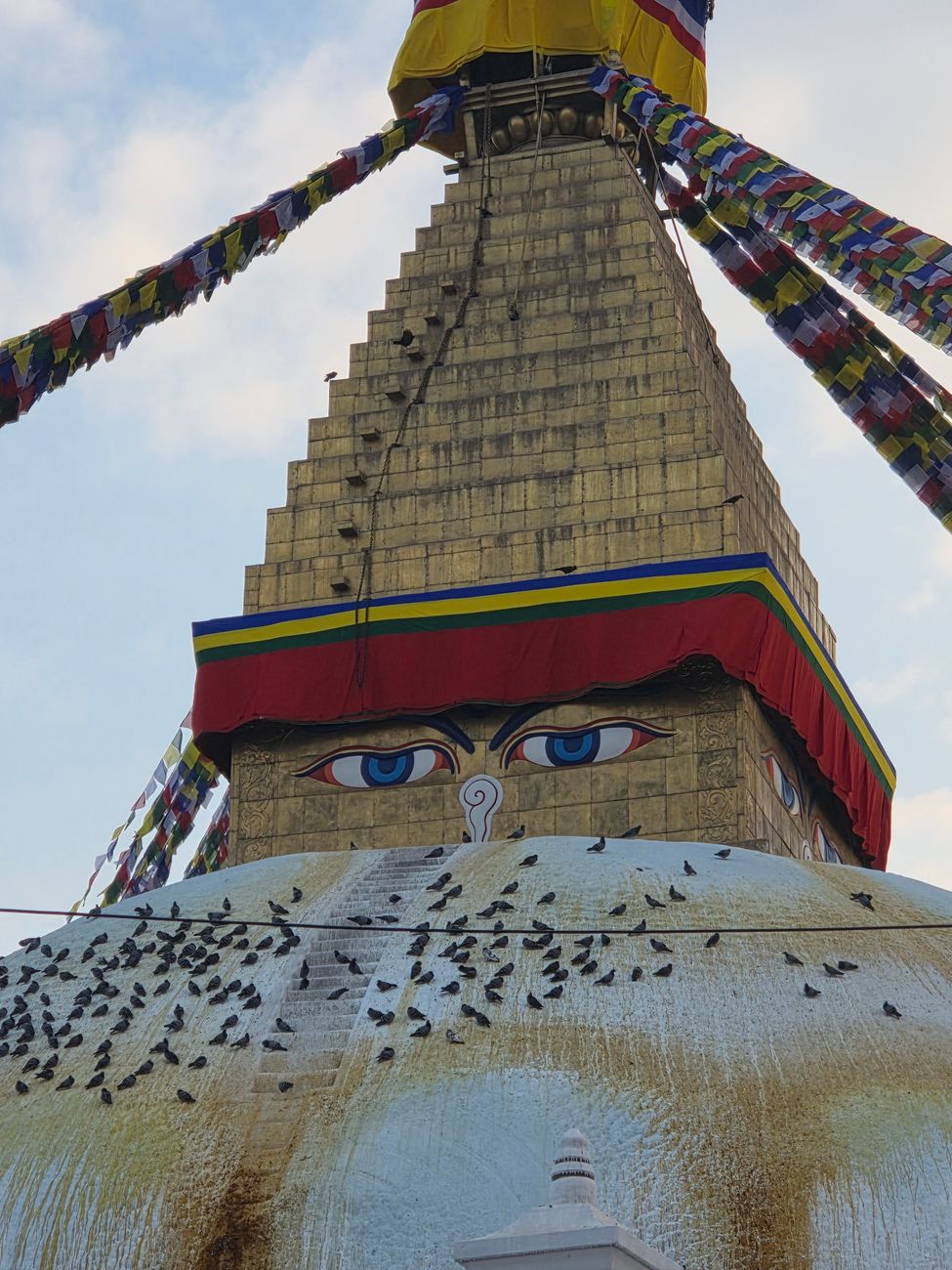
At Namo Buddha, the pilgrimage begins long before the monastery comes into view. From the hills of Nepal, the approach is made on foot, following a route of approximately five kilometers through the rural landscape before reaching one of the country’s most sacred Buddhist sites.
Here, walking takes on another dimension. The path leads toward a monastery, but also toward a story passed down through centuries: that of a young prince whose act of compassion is said to have given this hill its special place in Buddhist tradition.
Taking the Path
The walk begins at Vishuddhi Alaya, after the early morning hours. Before long, the surroundings of the previous days begin to recede, and walking naturally establishes its own rhythm. Along the way, hills, trails, and rural life accompany the gradual approach to the site.
Pilgrimage has a long history in Buddhism. Traveling toward a sacred place connects physical movement with an inner journey: moving forward, devoting time to the path, and gradually approaching a place steeped in a particular history. Here, the journey itself takes on almost as much importance as the arrival.
Within the ORION journey, this walk has been conceived in the same spirit. It is not simply about connecting two places, but about reaching the site gradually, allowing the landscape to become part of the approach. After several days in which the body has found its place through yoga and breathwork, it enters another form of movement here, simpler and more directly connected to the land.
A Story of Compassion
To understand why Namo Buddha has attracted pilgrims and practitioners for so long, we must return to one of the best-known stories associated with the site. According to Buddhist tradition, this hill is where Prince Mahasattva, during one of the Buddha’s previous lives, encountered a starving tigress, too weak to feed her cubs.
Moved by her suffering, the young prince is said to have offered his own body so that she and her cubs might survive. This story belongs to the Jataka tales, a collection of narratives recounting the Buddha’s previous lives and illustrating the qualities cultivated throughout those existences. The story of Mahasattva has become inseparable from this hill.
The tale may seem startling when encountered for the first time. Yet its meaning within Buddhist tradition extends beyond the literal story: it embodies an extreme expression of compassion and generosity, two fundamental qualities of the Buddhist path. It is this memory that gives the site much of its sacred significance and explains why pilgrims continue to come here to pay their respects.
Namo Buddha, a Living Place of Pilgrimage
Several sacred spaces are scattered across the hill. Among them is the stupa associated with the legend of Mahasattva, where devotees come to pray and perform circumambulations. Higher up stands Thrangu Tashi Yangtse Monastery, its richly colored buildings rising among the surrounding hills.
Arriving here reveals another side of the site. Prayer flags, Buddhist imagery, the gestures of pilgrims, and the presence of the monastic community all speak to a spirituality that remains very much alive. The site belongs to an ancient tradition, yet people continue to visit it, live there, and engage in spiritual practices as part of everyday life.
Observing these gestures also offers a deeper understanding of what it means to visit a sacred place in Nepal. We arrive with different stories and beliefs, while others come to pray, make offerings, or undertake a pilgrimage. Recognizing this coexistence changes the way we see our surroundings: the monument becomes more than a piece of heritage to discover and reveals its original purpose.
The Rituals Along the Way
Prayer wheels are among the familiar features of Himalayan Buddhist spaces. Inside are scrolls inscribed with mantras, and the wheels are traditionally turned clockwise, following the same direction as circumambulation around a stupa.
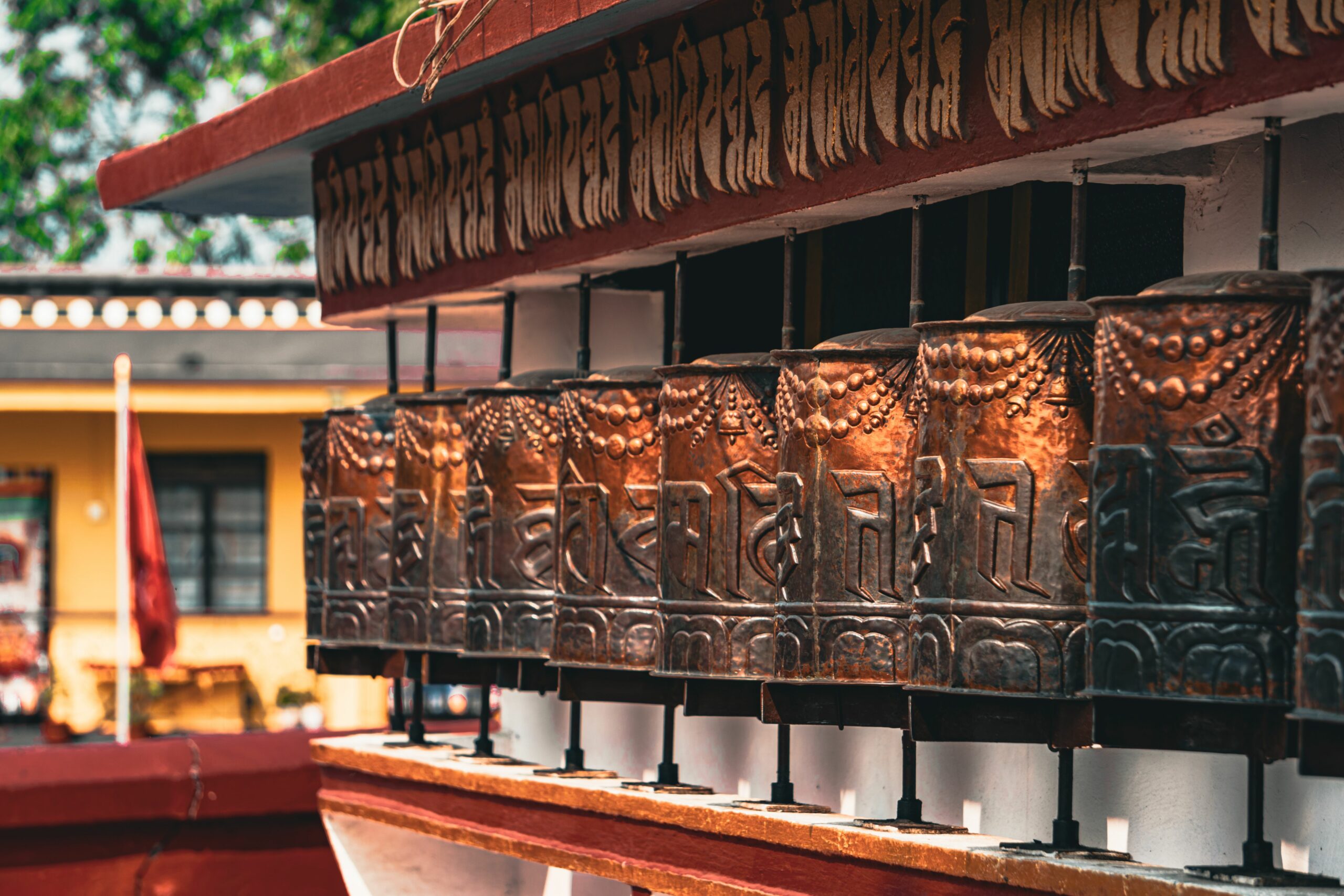
The best known of these mantras, Om Mani Padme Hum, is associated with Avalokiteshvara, the bodhisattva of compassion. Its presence resonates particularly strongly with the history of this place, itself rooted in this essential value of Mahayana Buddhism.
For travelers discovering these traditions, such gestures may initially seem like part of the scenery. Yet observing them more closely reveals something about the way spirituality is woven into everyday life here. A prayer may accompany a walk, a mantra may be repeated while moving forward, or a prayer wheel may be set in motion in passing. The sacred is expressed as much through great narratives as through these gestures, passed down and repeated over generations.
Arriving in a Different Way
After reaching the site on foot, the arrival feels somewhat different. The landscape has had time to draw closer, the distance has been physically covered, and the monastery appears as the natural culmination of the path.
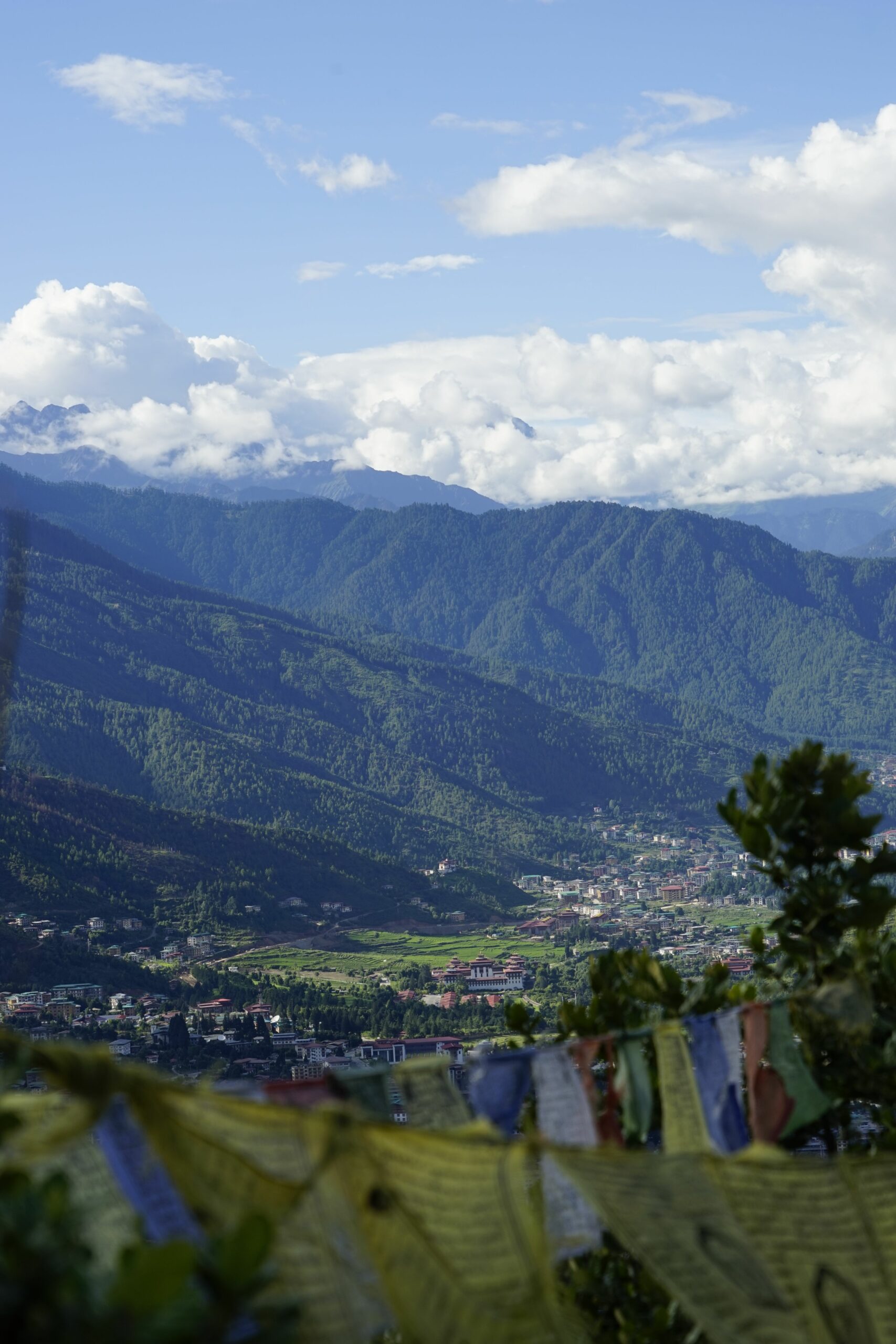
From the heights, the view opens onto the surrounding hills and, when the sky is clear, toward the Himalayan mountains. Time spent here allows visitors to explore the monastery, observe the life around it, and take a moment to meditate in a setting whose history has now become familiar.
Perhaps this is where the place reveals its distinctive character most clearly. Its beauty matters, of course, but beauty alone cannot explain what draws people here. The landscape, the legend of Mahasattva, the presence of pilgrims, and the journey undertaken to reach the site ultimately become part of one shared experience.
What We Carry Away from the Journey
As we leave, the memory extends beyond the image of a monastery perched on a hill. What remains is also the path that led there, the story discovered along the way, and the gestures we observed without always understanding them immediately.
This is precisely what gives this stage its place within the ORION journey. It offers a way to approach Buddhism beyond its monuments: through a story passed down over centuries, a landscape explored on foot, and a tradition that continues to live through the gestures of those who come here. Following this path also means walking in the footsteps of generations of pilgrims who traveled it before us, guided by the same hill and the stories that give it its sacred character.
The walk comes to an end, but it leaves behind a different way of seeing what we have just experienced. Namo Buddha is no longer simply a name on a map or the silhouette of a monastery among the hills. It becomes a path given new depth by a story, the faces encountered along the way, and the journey undertaken to reach it.